Cities of Refuge
The city that pays for its own mercy
A City of Refuge is a self-sustaining, income-generating Christian city wrapped around an orphanage or a safe house. The farm feeds the children. The businesses pay the staff. The mission never depends on next month’s donations.
“You are the light of the world. A city set on a hill cannot be hidden.” — Matthew 5:14
Why we build this way
2008 changed everything
IMI began caring for orphans in Honduras in the early 2000s the way most ministries do: raise money, spend it on the children, repeat. Then came the 2008 financial crisis. Donations that vulnerable children depended on could vanish in a single bad quarter — and IMI decided that a child’s dinner should never hang on a stranger’s stock portfolio.
So in 2008 the ministry restructured. From that year forward, every IMI project would be built with its own income-generating engine — a farm, a store, a rental building, a business — designed to carry the humanitarian work on its back. The result is the model we now call a City of Refuge, and it has been tested for nearly two decades: the flagship campus in Honduras is nearly self-sustaining today, and local universities send agriculture students there to study how it works.
The anatomy of a city
Five components, one design
Every City of Refuge — whether it shelters orphans in Honduras or trafficking survivors in Missouri — is built from the same five parts.
Education
Schools that exceed national standards, tutoring, and trade training — like the welding school in Honduras — so rescue ends in a diploma and a livelihood.
Christian Missions
Every city is a missionary base where children and neighbors alike can meet Jesus, engage in life-giving community, and grow in a nurturing environment.
Safe Houses
Protected homes for orphans, abandoned infants, trafficking survivors, and at-risk individuals — the people the city exists to shelter.
Commerce
Stores, lodging, and small businesses whose profits pay the bills — so the mission never rises or falls with next month’s donations.
Agriculture
Farms, ponds, and feed mills that put food on every table and income in the ministry account. Agriculture changes culture.
How the money flows
A ring of work around a house of refuge
Picture the orphanage at the center. Around it, a ring of honest work: fields and livestock, tilapia ponds, a feed mill, stores and lodging, a clinic, a trade school. Everything in the ring earns — and everything it earns flows inward to feed, house, educate, and heal the people at the center.
- 1$
You give once
Your gift doesn’t buy a meal. It buys the thing that makes meals.
- 2
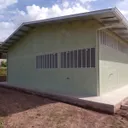
It becomes a business
A feed mill, a tilapia pond, a store, a farm field — real assets on real land.
- 3
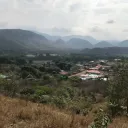
The business earns
Harvests sold, rooms rented, 2,500 tilapia growing in the ponds — profit every season.
- 4
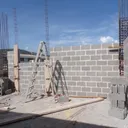
The earnings raise children
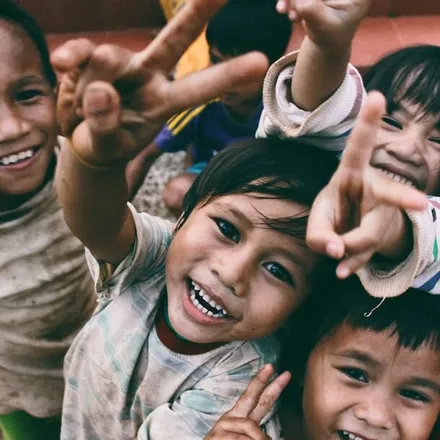
90 children fed, housed, schooled, and loved — paid for by the ring of work around them.
Then it starts over — on its own.
The coin never stops. Season after season, the same gift keeps raising them.
And the ring gives as it earns: the surrounding community receives free housing, jobs, discounted farm produce, medical clinics, and schools — so the city is a blessing to its neighbors long before anyone asks them for anything.
This is not a diagram
Explore the real City of Refuge
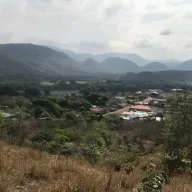
Every part of the model already exists on this hillside near Comayagua, Honduras.
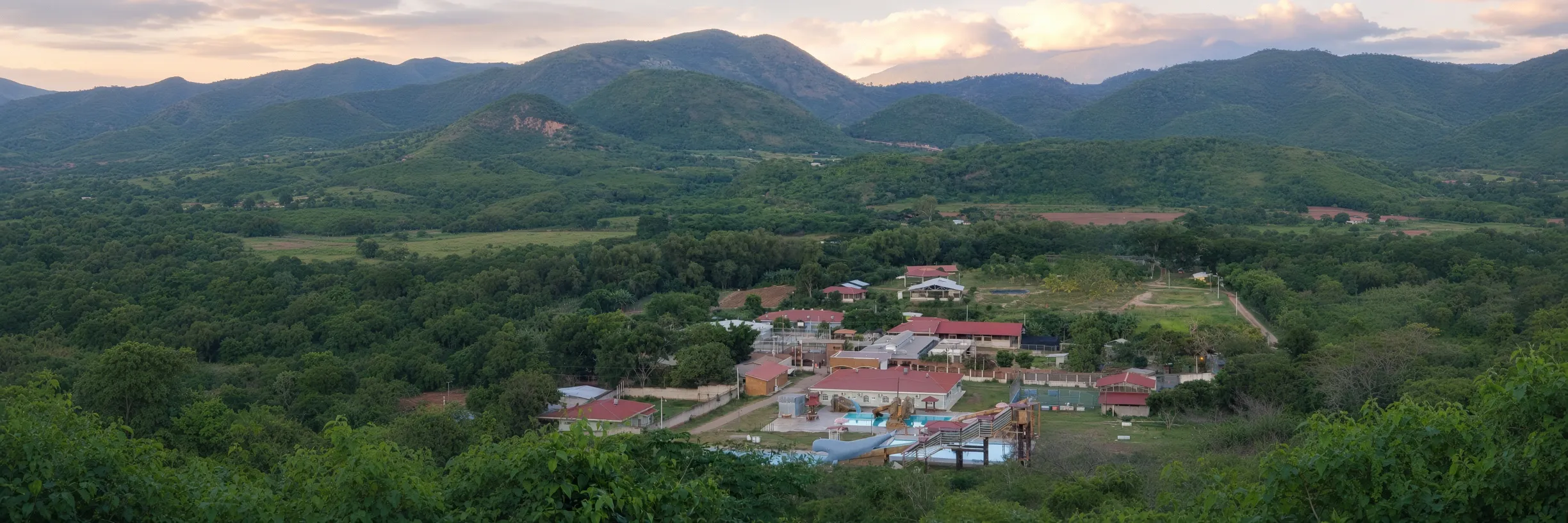
Orphanage & school
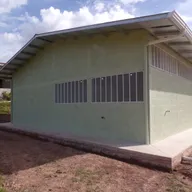
90 children live and study here — the school exceeds Honduran national standards and passes every government inspection.
Tap a pin to explore the real City of Refuge, Honduras.
One model, two continents
International and USA
International
Farms that raise orphanages
Overseas, farms and businesses support orphanages that rescue vulnerable children from extreme poverty, abandonment, and exploitation. The community around each campus benefits too: free housing, jobs, discounted produce from the farm, medical clinics, and schools. Honduras is the flagship; Guatemala and Peru are following the same blueprint.
Visit the Honduras campus →United States
Businesses that fund safe houses
At home, the same design fights human trafficking. IMI builds businesses whose income sustains safe houses for trafficking survivors and at-risk individuals — sheltering abandoned infants and survivors while answering housing shortages that government officials themselves have identified. Safe houses now stand in Hawaii, Iowa, Minnesota, and Missouri.
The fight against trafficking →Where the cities stand
Current Cities of Refuge
Honduras
FlagshipCity of Refuge: Honduras
Orphanage · School · Farm · Clinic · Trade School
IMI's first and largest City of Refuge — a nearly self-sustaining campus near Comayagua where 90 children are housed, educated, and loved.
Explore →
Guatemala
In developmentCity of Refuge: Guatemala
Farm · Community Feeding
In its beginning phase, the Guatemala City of Refuge already operates a farm that feeds about 200 people every day.
Explore →
Peru
In developmentCity of Refuge: Peru
Medical Clinic · Housing
Land is purchased and a four-story building is underway — a medical clinic on the first floor with rental apartments above, the first step toward a full City of Refuge.
Explore →
United States
ActiveUSA Safe Houses
Safe houses for trafficking survivors
Self-sustaining safe houses in Hawaii, Iowa, Minnesota, and Missouri give trafficking survivors a protected home, a partnered local church, and professional care.
Explore →
Progress you can photograph
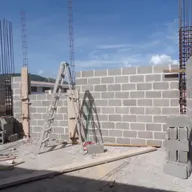
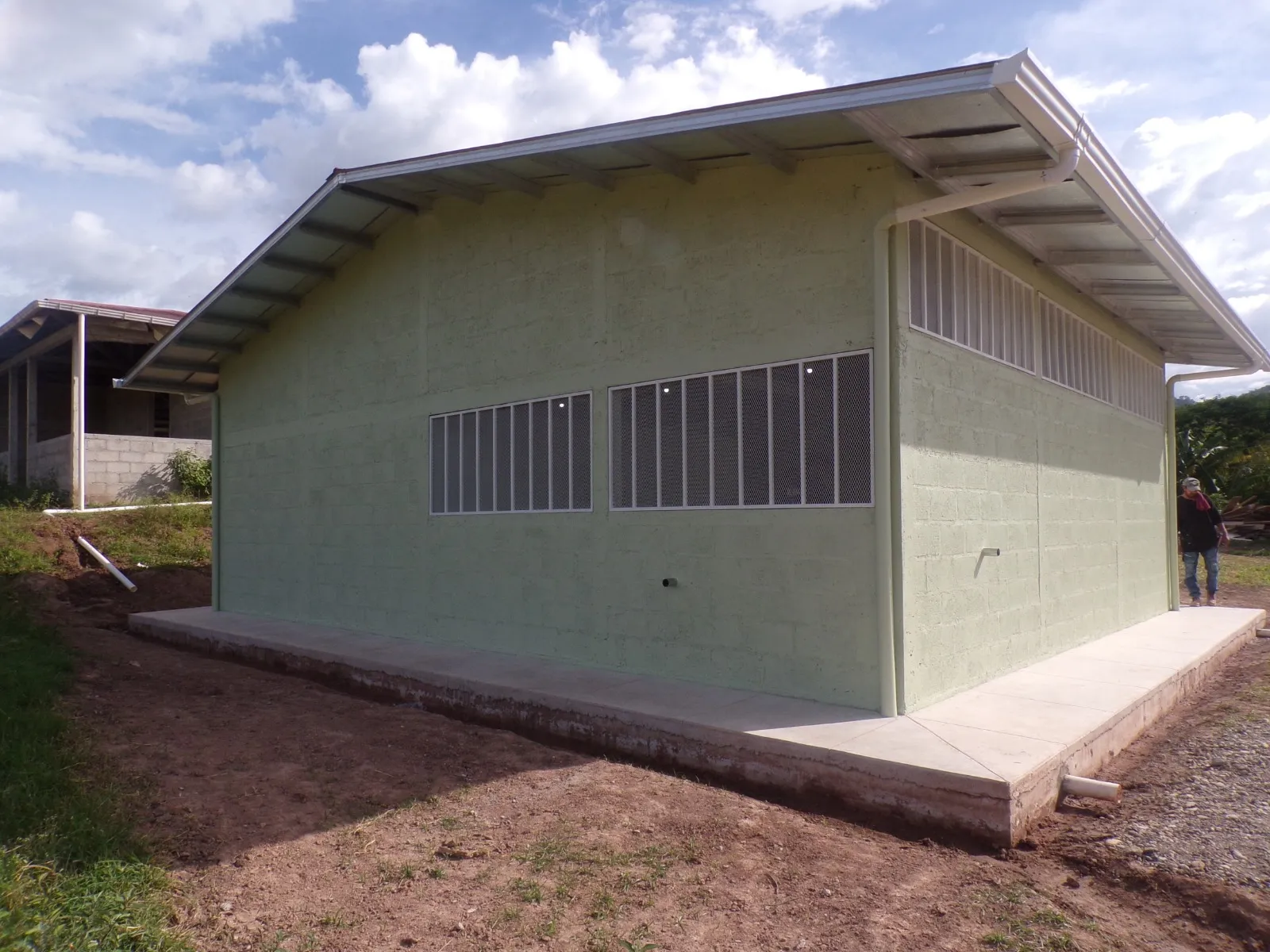
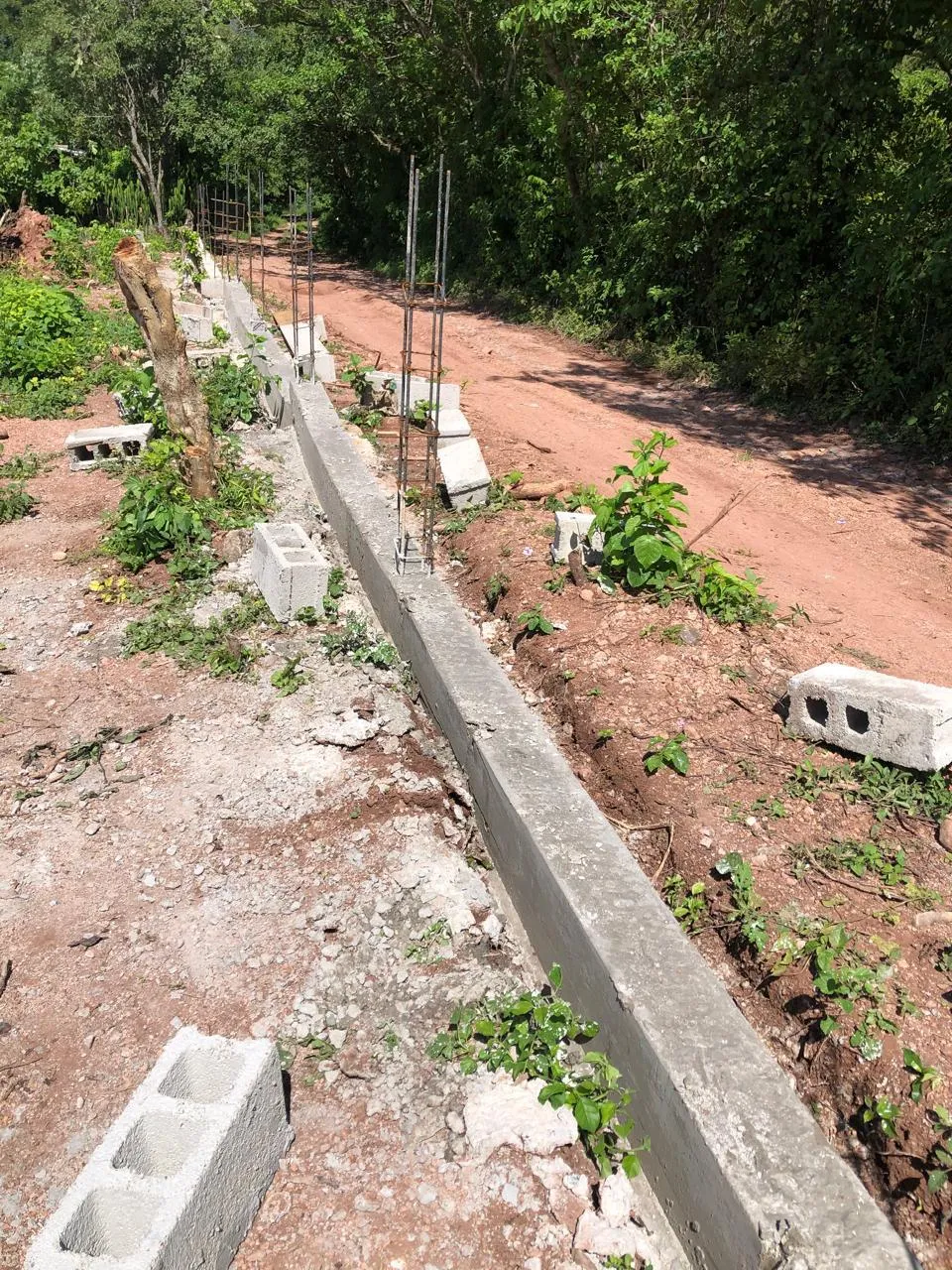
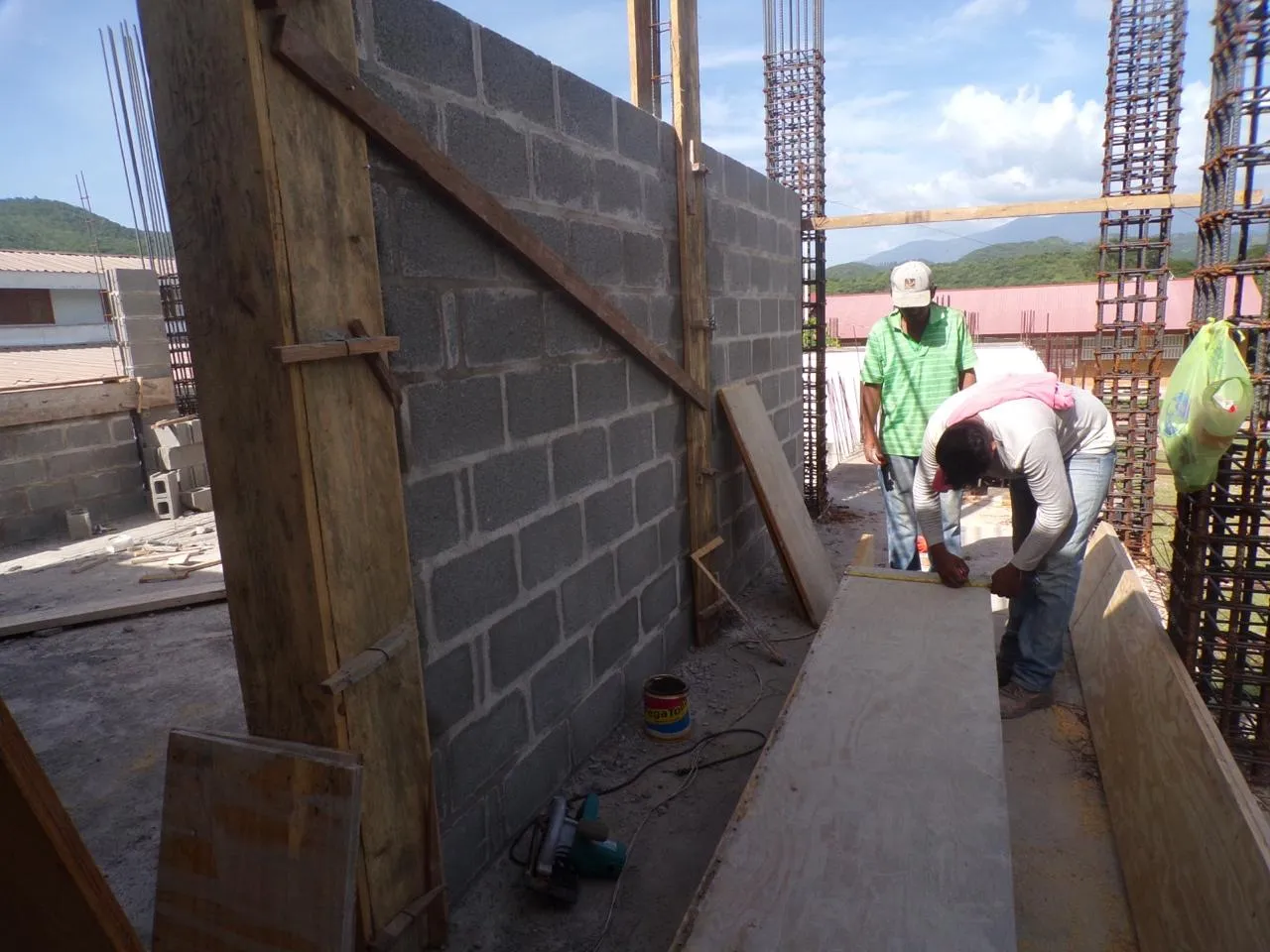
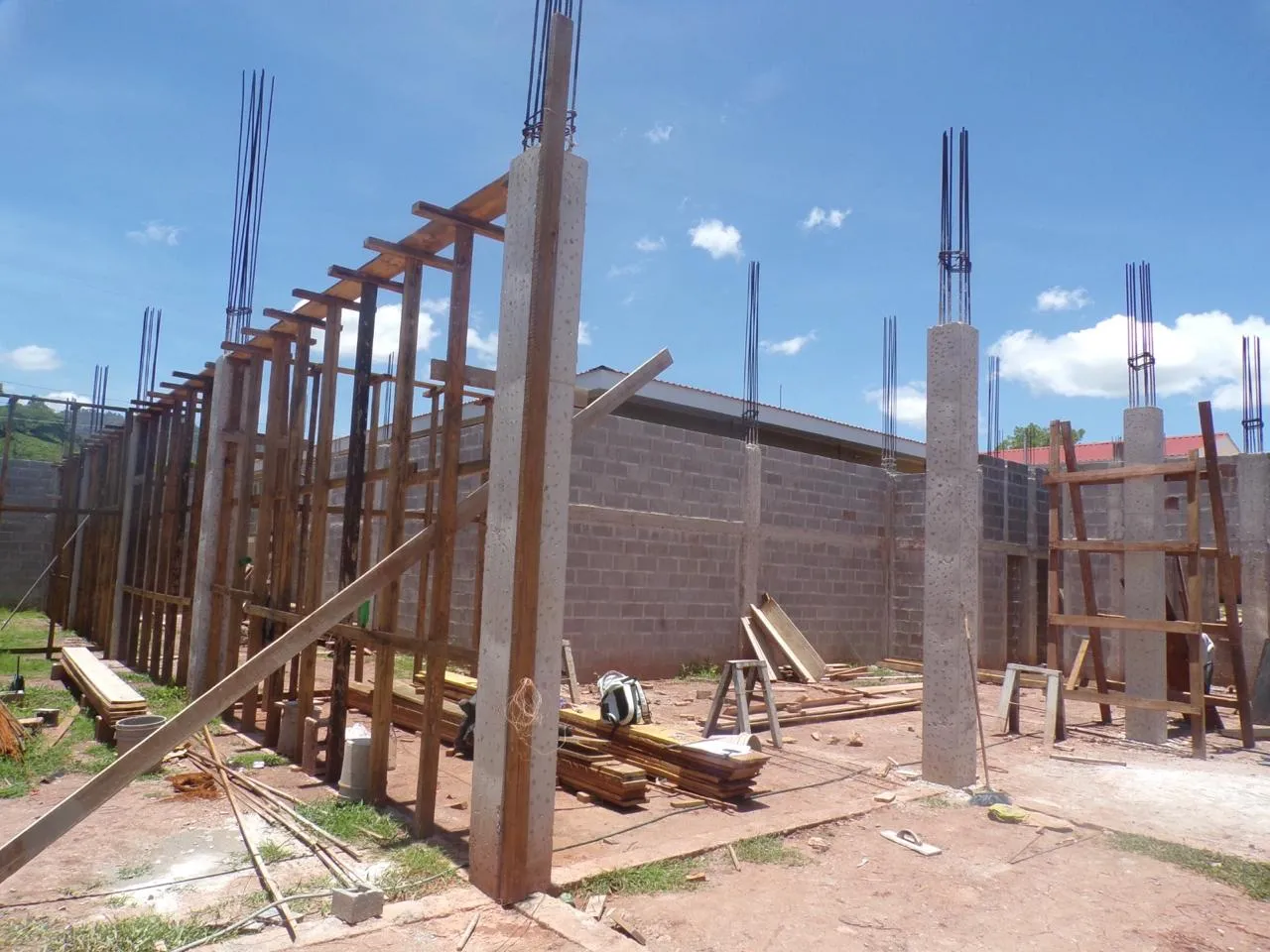
The city, under construction
Help build the next city
Pray, give to Build International Cities of Refuge, or bring your hands on a short-term mission trip to Honduras.